- Is a text file where each field or column occupies a predetermined, constant number of characters in each record.
- Can parse and process quickly because the software knows exactly where to find each field.
- Is often used in legacy systems, data exchange, and performance-critical applications.
Parameters
| Parameter | Tab | Description |
|---|---|---|
| Location | Location | File path to read from or write to the Fixed Format file. |
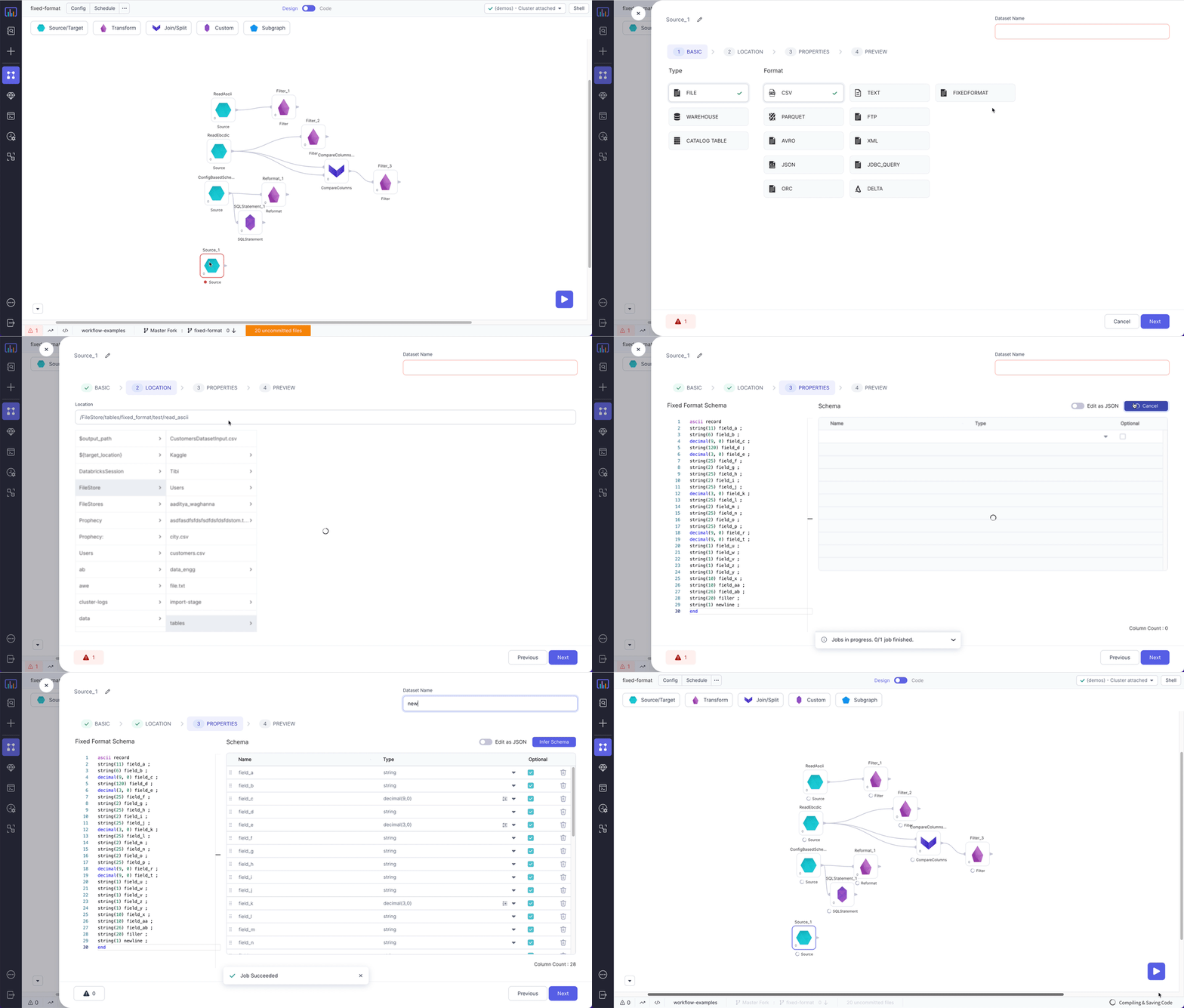
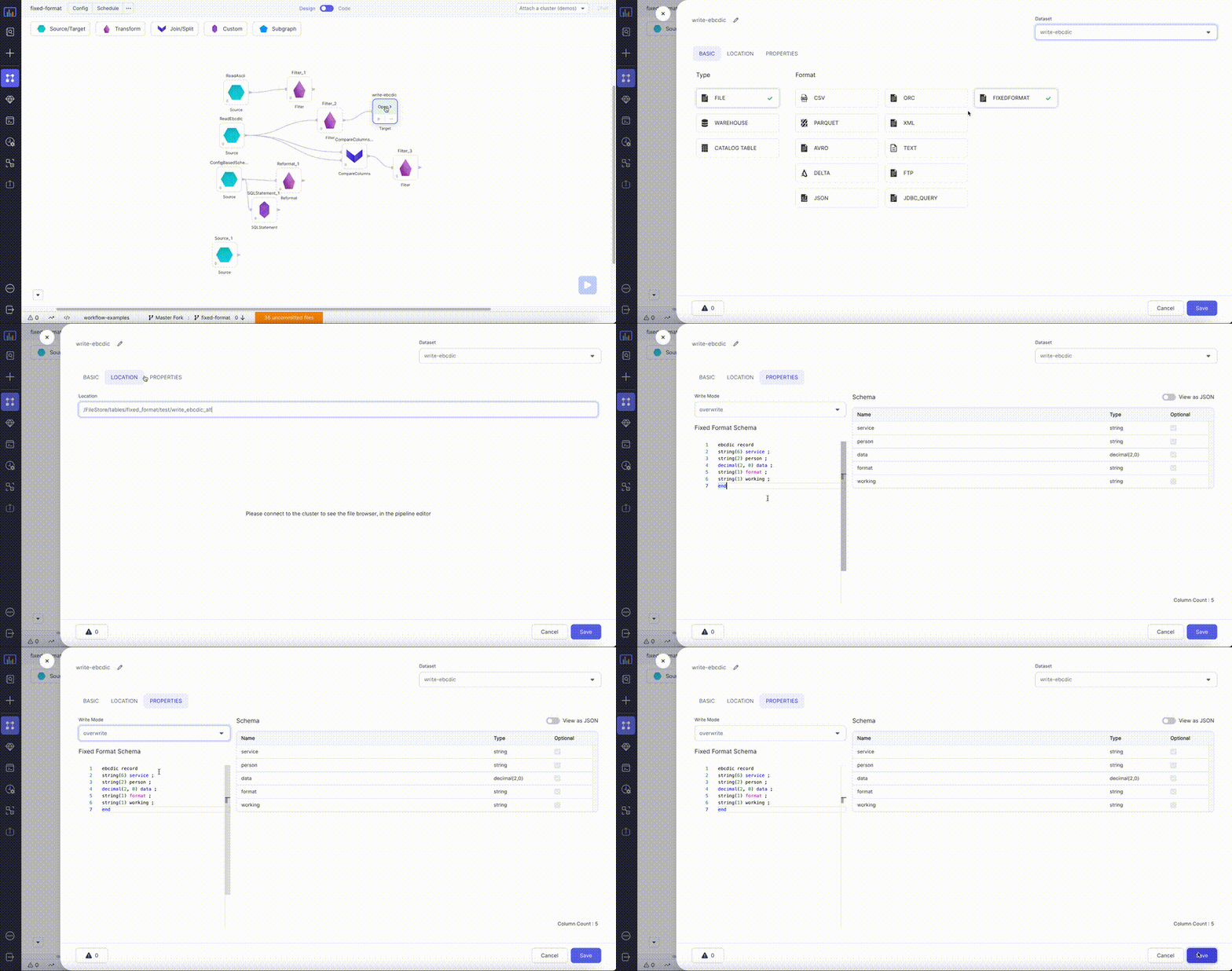
| Schema | Properties | Schema to apply on the loaded data. In the Source gem, you can define or edit the schema visually or in JSON code. In the Target gem, you can view the schema visually or as JSON code. |
Source
The Source gem reads data from Fixed Format files and allows you to optionally specify the following additional properties.Source Properties
| Property name | Description | Default |
|---|---|---|
| Description | Description of your dataset. | None |
| Skip header lines | Number of lines to skip at the beginning of the file. | None |
| Skip footer lines | Number of lines to skip at the end of the file. | None |
| Fixed Format Schema | Schema string for the fixed format file. Supports either EBCDIC or ASCII formats. | None |
Example

Compiled code
Target
The Target gem writes data to Fixed Format files and allows you to optionally specify the following additional properties.Target Properties
| Property name | Description | Default |
|---|---|---|
| Write Mode | How to handle existing data. For a list of the possible values, see Supported write modes. | error |
| Description | Description of your dataset. | None |
| Fixed Format Schema | Schema string for the fixed format file. Supports either EBCDIC or ASCII formats. | None |
Supported write modes
| Write mode | Description |
|---|---|
| error | If the data already exists, throw an exception. |
| overwrite | If the data already exists, overwrite the data with the contents of the DataFrame. |
| append | If the data already exists, append the contents of the DataFrame. |
| ignore | If the data already exists, do nothing with the contents of the DataFrame. This is similar to the CREATE TABLE IF NOT EXISTS clause in SQL. |
Example